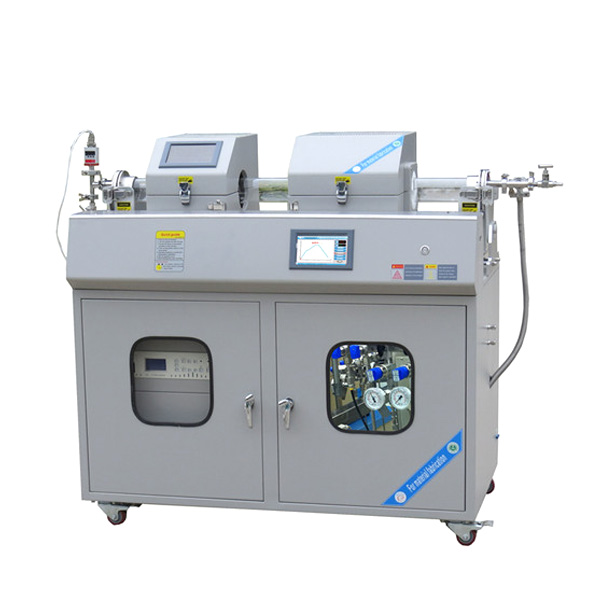
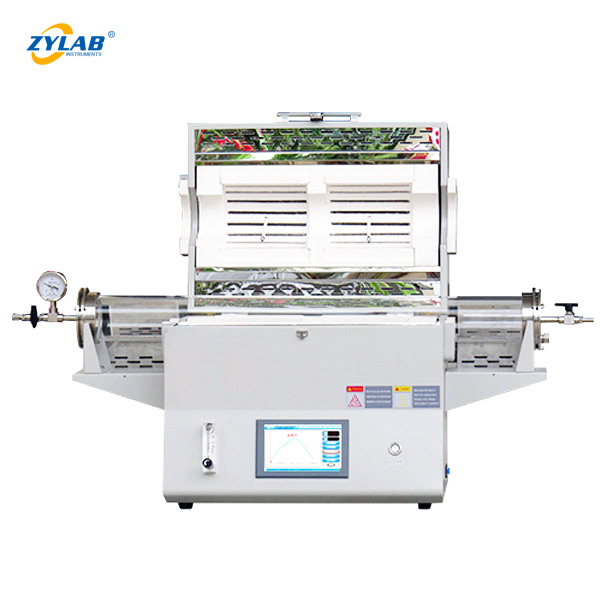
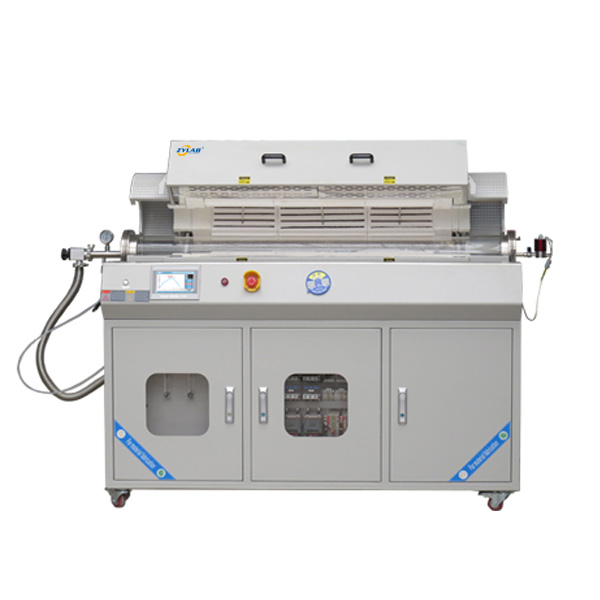
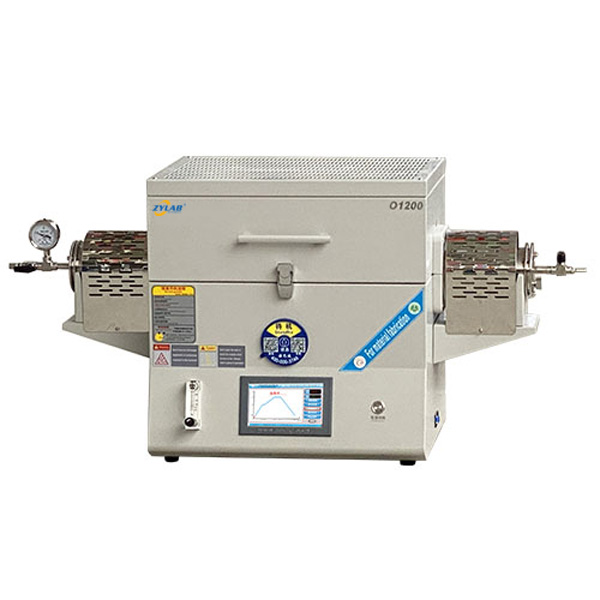
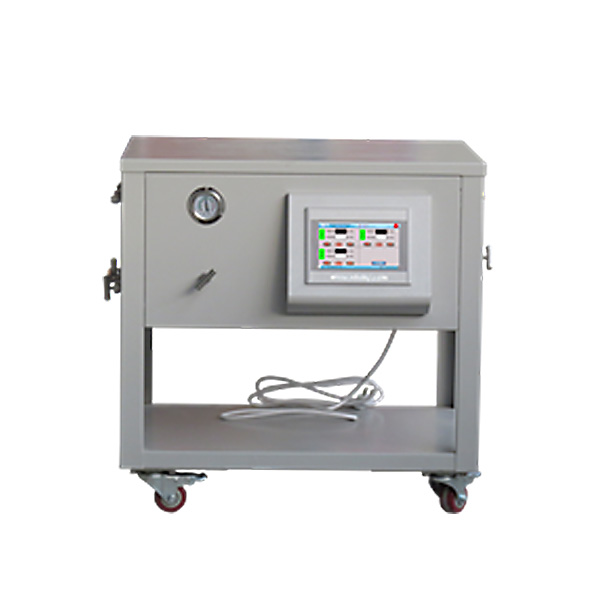
1500.C Dual Temperature Zone Furnace with Diameter 100mm Alumina Tube
$70.61
$85.44
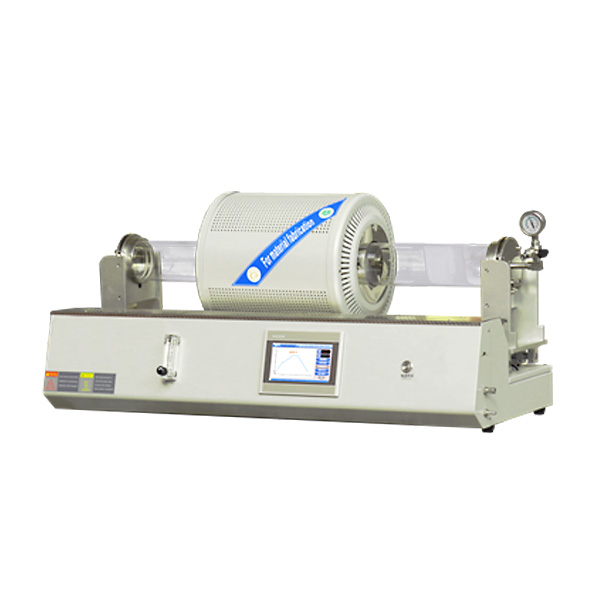
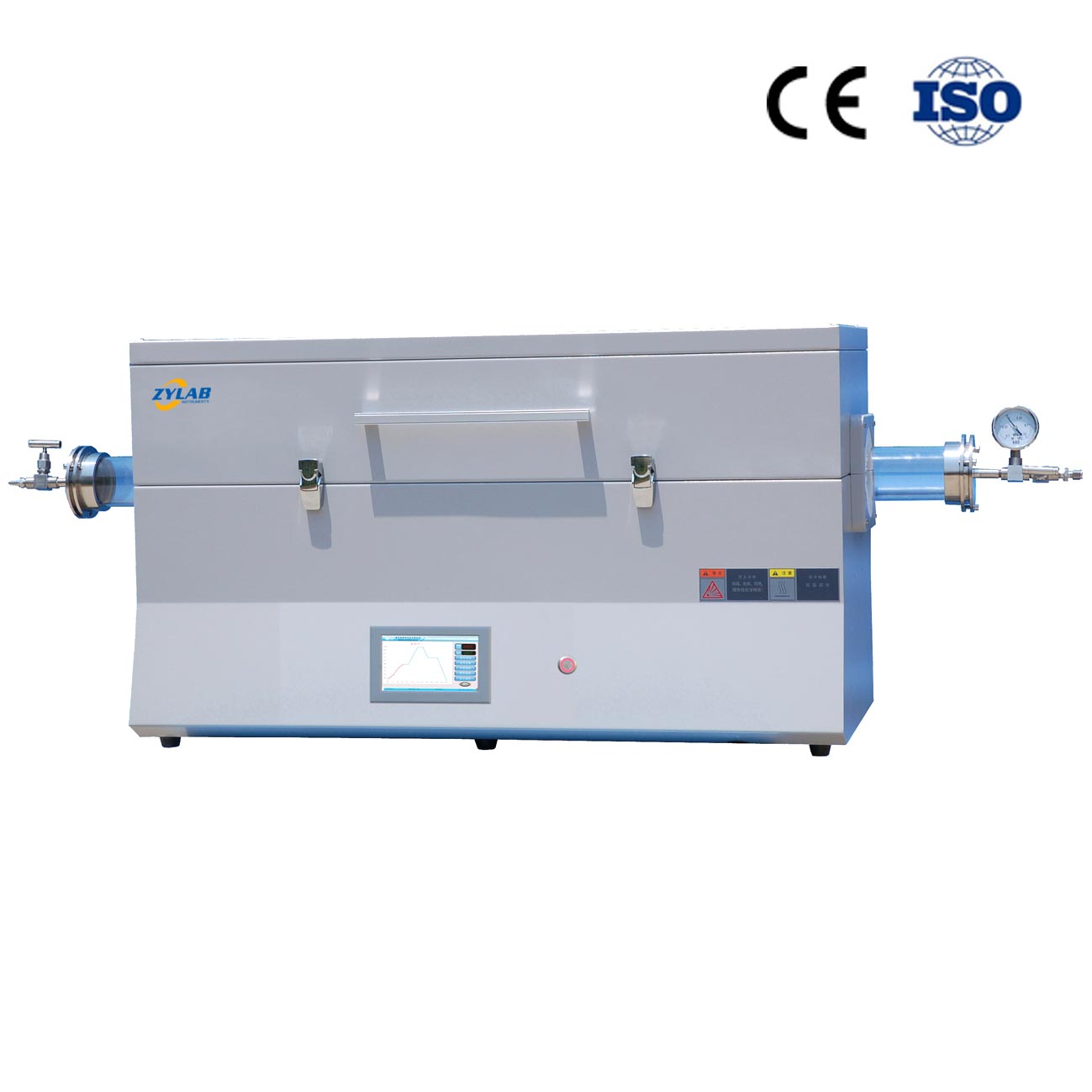
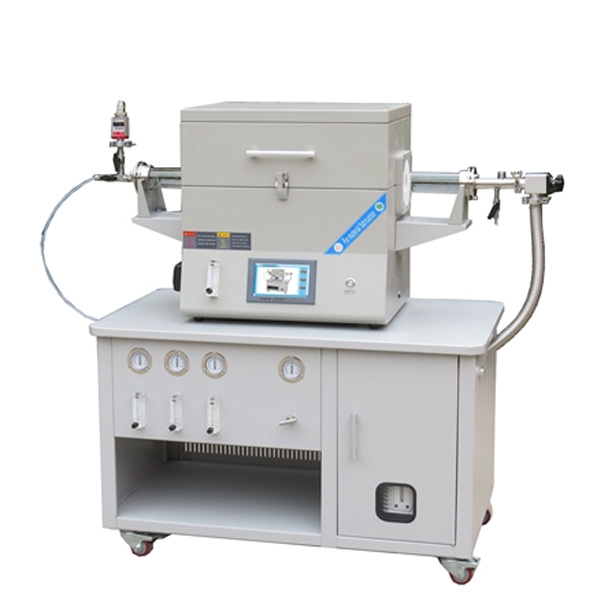
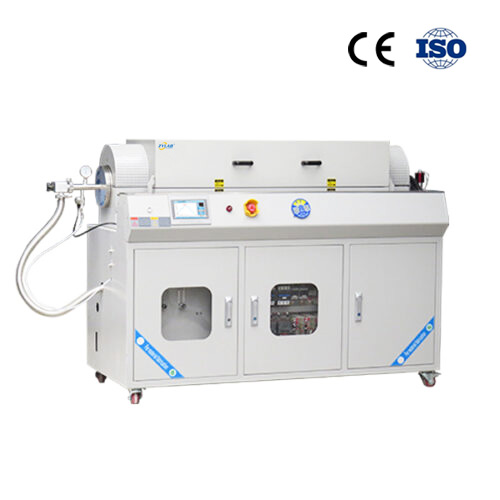
1500.C Dual Temperature Zone Furnace with Diameter 100mm Alumina Tube Introduction: The intelligent dual-temperature-zone furnace offers balanced temperature fields, low surface temperature, rapid heating and cooling rates, and energy efficiency. It is an ideal product for high-temperature atmosphere sintering, atmosphere reduction, CVD experiments, and vacuum annealing, widely used in universities, research institutes, and industrial enterprises. The furnace utilizes a multi-point temperature control method, ensuring uniform temperature inside the furnace, which effectively enhances experimental results. Features and Benefits of Dual Temperature Zone Furnace: The furnace tube is made of high-purity alumina material, providing excellent corrosion resistance and high-temperature performance. High-purity Al2O3 fiber refractory insulation material offers outstanding insulation effects, effectively reducing power consumption. The furnace body adopts a dual-layer air cooling structure, helping to quickly lower the surface temperature of the shell. The intelligent PID fuzzy temperature control system is operated via a 7-inch touch screen, providing centralized control and intuitive display of “time-temperature” curves. Technical Parameters: Model Dual Temperature Zone Furnace Power Supply Single-phase 220V 50HZ Rated Power 6KW Temperature Sensor S-type thermocouple φ8*205mm Tmax 1450℃ Heating Zone Zone 1:Φ100*225mm Zone 2:Φ100*225mm Furnace Tube Φ100*1200mm, high purity alumina tube Overall Dimensions L1414m×H720mm×D514mm Heating Rate 1℃/H-20℃/Min Weight 350kg Control System 1. Sintering process curve settings: Dynamic display of the set curve; the equipment can store multiple sintering process curves, each of which can be freely set. 2. Sintering can be scheduled for unattended operation. 3. Real-time display of sintering power, voltage, and other information with data recording, which can be exported for paperless records. 4. Remote control and real-time monitoring of equipment status are available. 5. Temperature correction: Non-linear correction of the difference between the main control temperature and the sample temperature throughout the sintering process. Temperature Accuracy ±1℃ Heating Elements High-purity silicon carbide rods with excellent acid resistance and corrosion performance. Sealing System Vacuum Degree: 10Pa (mechanical pump) Pressure Measurement and Monitoring Utilizes a mechanical pressure gauge with an airtight structure to protect internal components from environmental influences and debris, with strong corrosion resistance and high-temperature capability. Gas Supply System Controlled by a float flow meter, integrated with the equipment, and leak-tested before shipment. Weight 350kg Support Limited one-year warranty with lifetime support (the warranty does not cover consumable parts such as processing tubes and O-rings. Please order replacement parts under related products below). Applications: The Dual Temperature Zone Furnace has several key applications across various industries and research fields, including: Material Science Research: Sintering: Used for high-temperature sintering of ceramics, metals, and composite materials to enhance mechanical properties. Thermal Treatment: Employed in annealing, tempering, and other heat treatments of materials to modify their microstructure and properties. Chemical Vapor Deposition (CVD): Thin Film Deposition: Ideal for CVD processes to deposit thin films of materials such as silicon, carbon, and metal oxides on substrates. Nanomaterial Synthesis: Utilized in the synthesis of nanomaterials, such as carbon nanotubes, under controlled atmospheres and temperatures. Atmosphere-Controlled Processes: Reduction Atmospheres: Conducting reduction reactions in materials under controlled atmospheres, such as hydrogen or inert gases. Oxidation Studies: Used for oxidation experiments of metals and other materials under precise temperature control. Vacuum Annealing: Stress Relief: Vacuum annealing of materials to relieve internal stresses and improve mechanical properties without oxidation. Purification: Used in the purification of materials by removing volatile impurities at high temperatures in a vacuum. Battery and Energy Research: Electrode Material Processing: Ideal for the high-temperature treatment of electrode materials for lithium-ion batteries and other energy storage devices. Solid-State Electrolyte Synthesis: Used for synthesizing and processing solid-state electrolytes under controlled atmospheres. Glass and Ceramic Processing: Glass Annealing: Used in the annealing process of glass to remove internal stresses and improve durability. Ceramic Firing: Employed for the controlled firing of ceramic materials to achieve desired mechanical and thermal properties. Advanced Manufacturing: Additive Manufacturing Post-Processing: Used for heat treatment of 3D-printed metal and ceramic parts to improve their properties. Composite Material Curing: Applied in the curing process of composite materials, ensuring uniform temperature distribution. Semiconductor Industry: Wafer Processing: Utilized in the processing of semiconductor wafers, such as diffusion and oxidation processes. Research and Development: Material Testing: Used for various material testing experiments under controlled high-temperature environments. Prototyping: Ideal for research and development of new materials and processes in laboratory settings. Get In TouchFill out the form below — free quote and professional suggestion will be sent for reference very soon! Name Email* Message Send